
Mnohaya’lita Exhibit
Welcome to the Mnohaya’lita Exhibit main page. This exhibit celebrates one hundred years of Ukrainians in Cape Breton, and took place at the Lyceum in Sydney, Cape Breton, Nova Scotia, from February to November of 2012. Follow the links below to review different aspects of this exhibit.
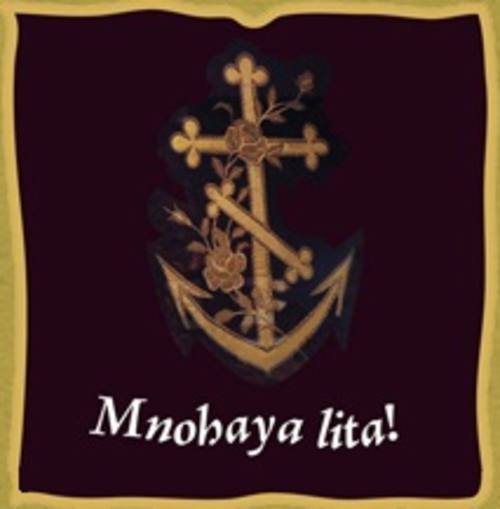
Mnohaya'lita Exhibit Introduction
Mnohaya’lita Exhibit Introduction: This exhibit celebrated one hundred years of Ukrainian faith in Cape Breton, and took place at the Lyceum in Sydney, Nova Scotia.
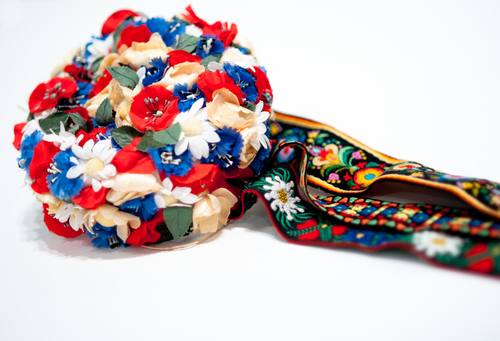
Ukrainian Dance
Ukrainian Dance: In the ‘Mnohaya lita! Celebrating 100 Years of Ukrainian Faith’ exhibit, the parish’s Ukrainian dancers were highlighted. Costumes, pictures, music, and traditional clothing were featured in this section.
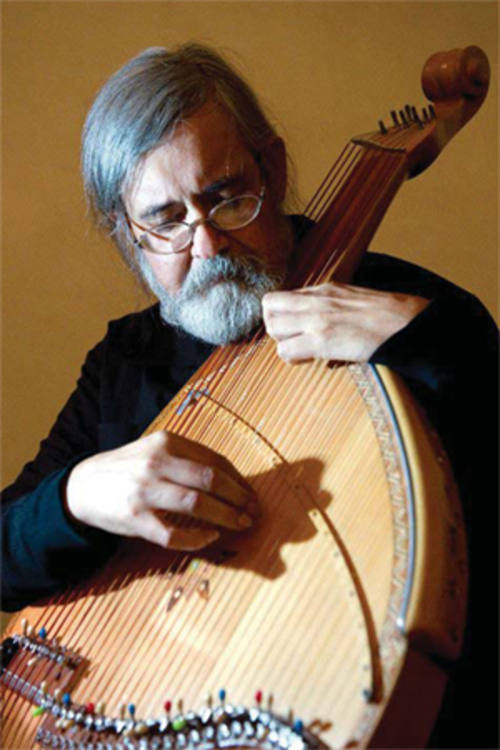
Sea Winds and Immigrant Songs
Sea Winds and Immigrant Songs: A concert was held during the centenary exhibit featuring banduryst Julian Kytasty, joined by special guests, such as Cape Breton fiddler Colin Grant.
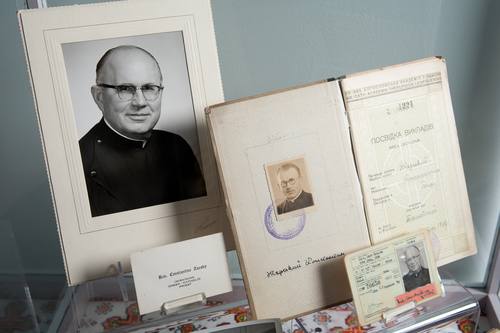
Father Constantine Zarsky
Father Constantine Zarsky: This segment follows the life of Father Zarsky, who served at Holy Ghost Ukrainian Catholic Church from 1940-1970. It also notes the aspects of community life connected to the church, and reading materials used by the community.
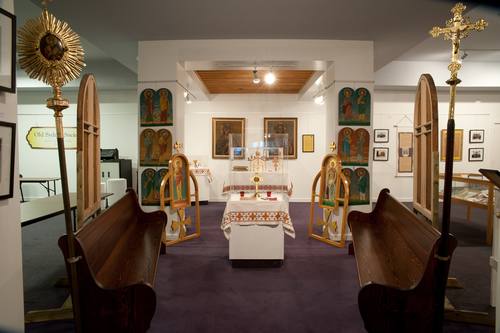
Holy Ghost Ukrainian Parish
Holy Ghost Ukrainian Parish: The installation recreated the interior of the church, including original features such as the recently restored pews, the deacon doors from the church alter, and original windows of the church before it was destroyed in a fire.
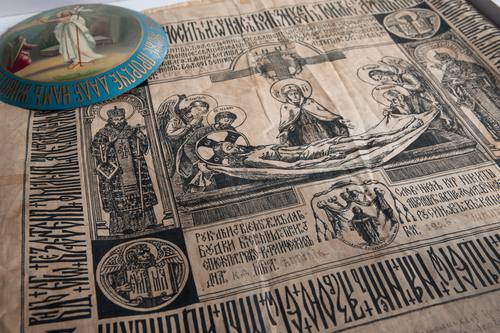
Religious Artifacts
Religious Artifacts: Most places of worship around the world possess a religious artifact or two, as does the Holy Ghost Ukrainian Catholic Church in Cape Breton, Nova Scotia. Religious artifacts are often hidden within other sacred objects for preservation.
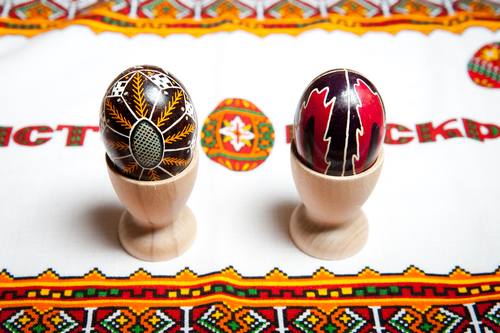
Pysanky
Pysanky: Ukrainian egg decorating, or pysanky, is still practiced using candles and beeswax. But some individuals have begun to explore new ways of decorating, using paint instead of dye or even by using wooden or plastic shaped eggs to ensure their art designs last.
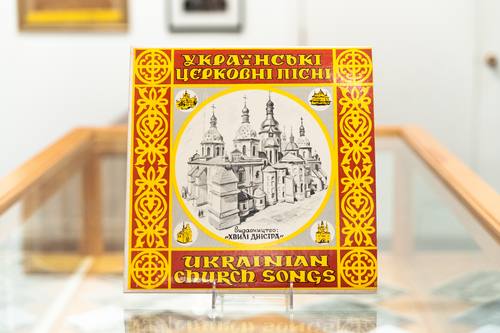
Music Traditions
Music Traditions: Cape Breton Island is known as a musical hub, and Ukrainian music permeates all aspects of life, connecting the secular with the religious. Recordings and instruments, playbooks, songbooks, and religious sheet music were featured.
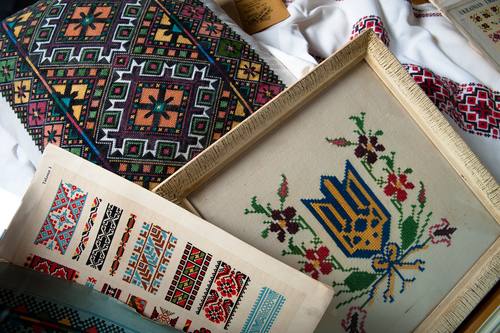
Embroidery
Embroidery: Ukrainian Embroidery, or Vyshyvka, is both religious and secular, and often is an expression or a form of celebration attached to special events in the community. It is also an art form, and used for creating decoration on tables and altars during holidays.
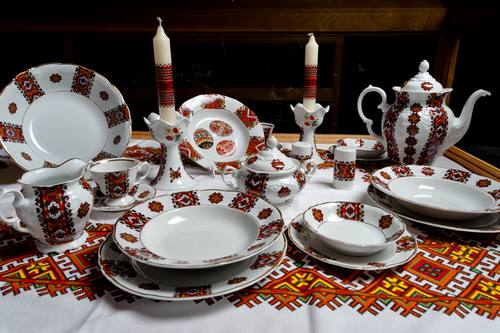
Food Traditions
Food Traditions: Food traditions in the Ukrainian community have evolved in Cape Breton depending on availability of ingredients, the change of seasons, and influences from other ethnic groups. Many tarditional foods have been adapted to the local culture.
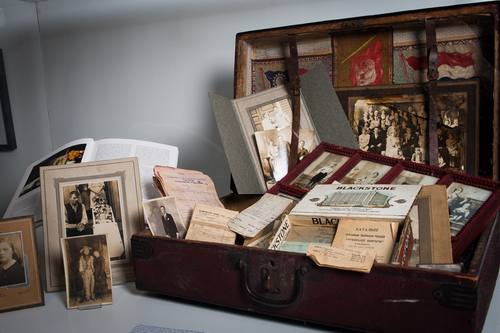
Immigration
Immigration: Ukrainain immigrants came to Cape Breton in waves looking for employment at the steel plant and to work in the coal mines. Some came to join families and friends already present on the island or immigrated to escape war. Here are their stories.
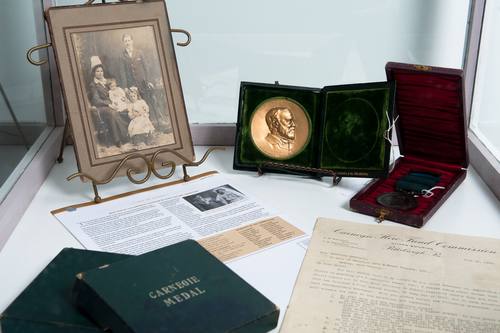
Community Awards
Community Awards: This part of the exhibit honours the sacrifices and selfless acts of individuals in the Ukrainian community from Whitney Pier over the years. If you would like to add a recognition to this page, please contact us to submit a name or event to the archive.
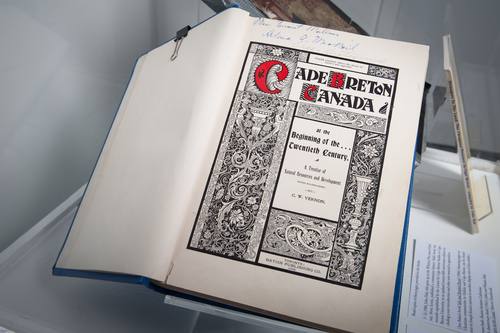
Literature
Literature: Cape Breton in Nova Scotia Canada have been mentioned only a few times before throughout history in literature. There were four books featured in the exhibit that highlighted Ukrainian life and people in Cape Breton, Nova Scotia since it began 100 years ago in Whitney Pier, Sydney.

Mnohaya'lita Exhibit Panorama
Mnohaya’lita Exhibit Panorama: This panorama offers a 360 degree view of the exhibit from a single origin point. Use the mouse to zoom in for closer visual details. For computers that do not support Silverlight, a video of the panorama will be eventually available.

Mnohaya'lita Exhibit Virtual Tour
Mnohaya’lita Exhibit Virtual Tour: This virtual tour takes you step by step through the entire exhibit. It is also possible to explore the many photographs and angles of the tour. A video of the panorama will be eventually available. Not accessible by smartphone.